

Description
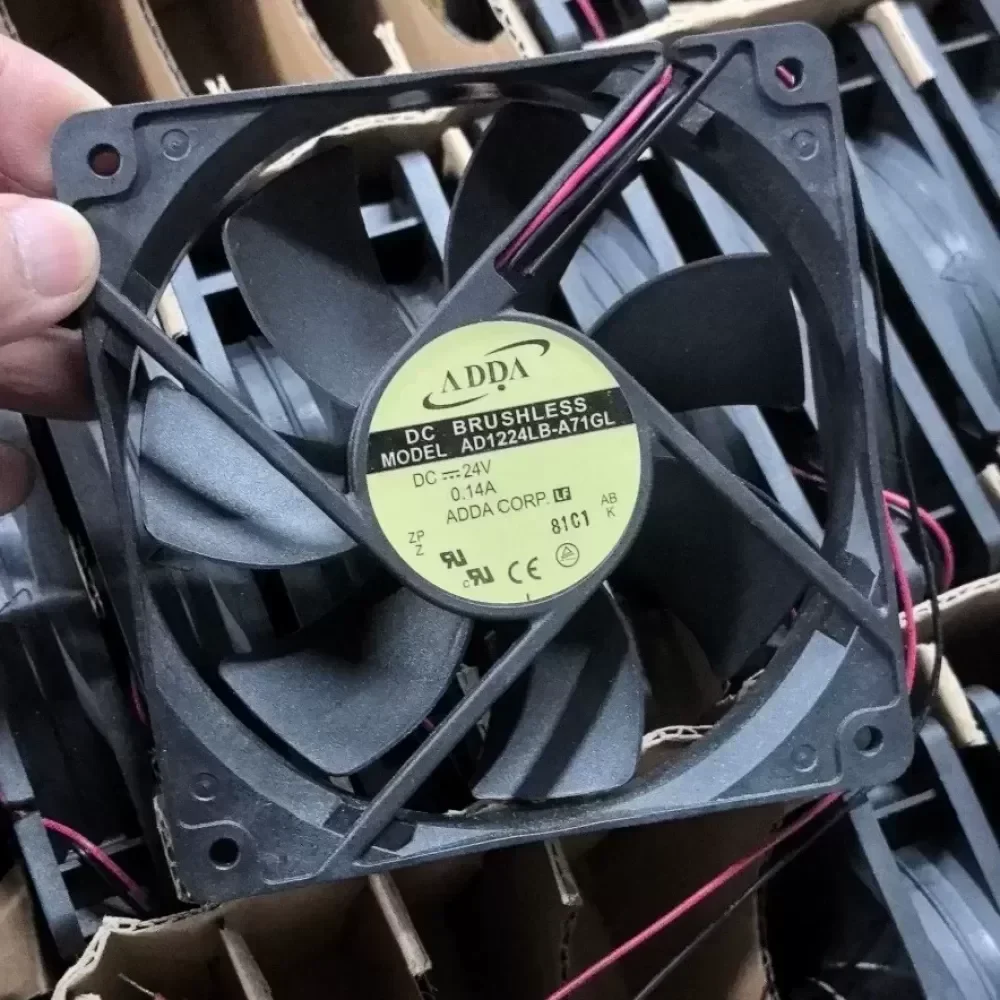
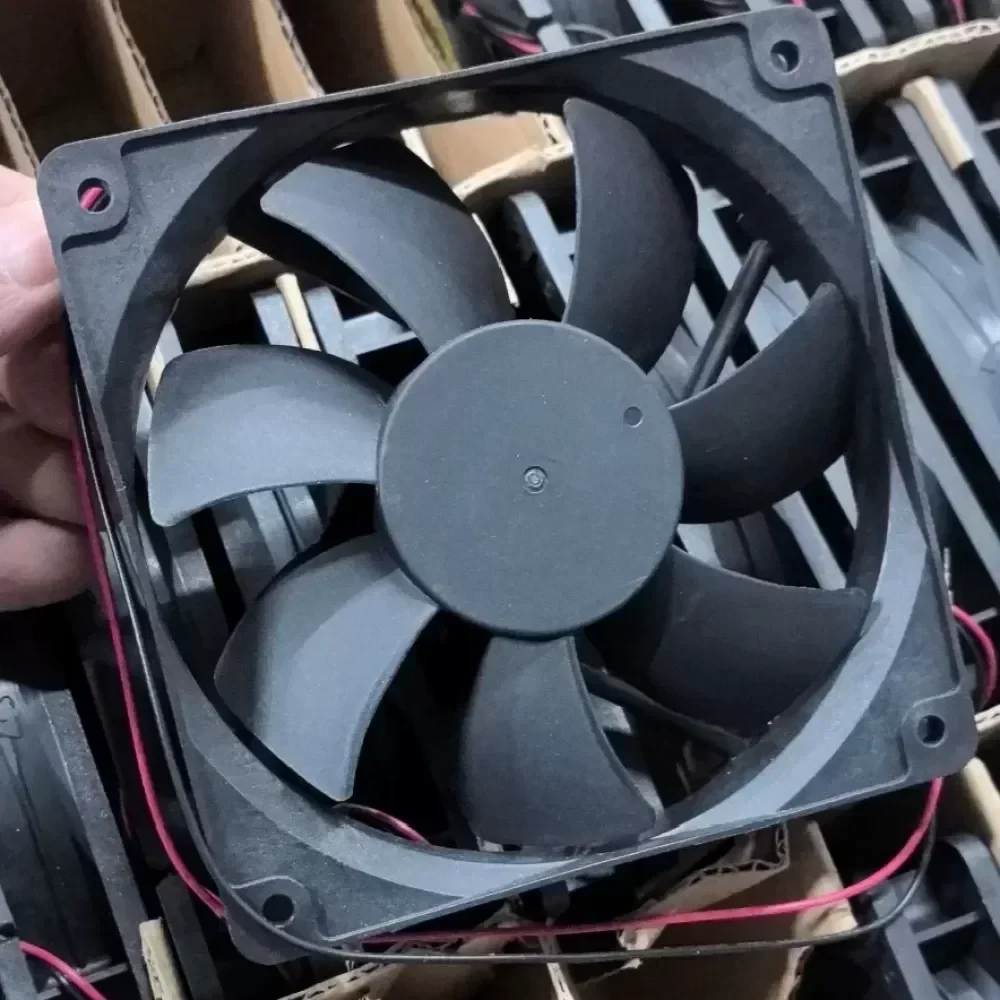
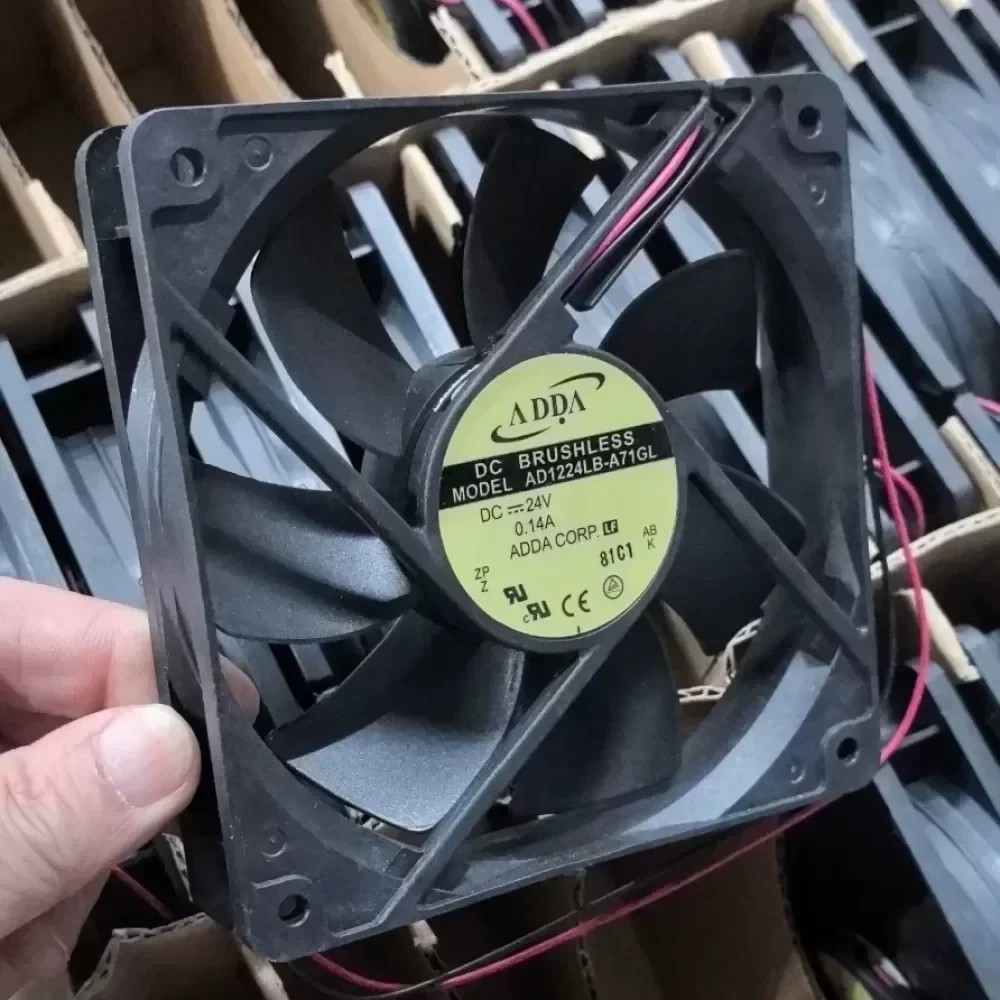
The ADDA AD1224LB-A71GL is a high-reliability DC brushless axial fan engineered for precision thermal regulation in industrial electronics and telecommunications infrastructure. This unit features Original Engineering from ADDA Corporation, utilizing a robust Dual Ball Bearing system that significantly extends Mean Time Between Failures (MTBF) compared to sleeve bearing counterparts, making it suitable for continuous duty cycles. The 120mm form factor combined with a 24V DC winding makes it a standard fit for automation control cabinets and server rack cooling. The ‘LB’ classification denotes a Low-Speed, Ball Bearing configuration, specifically calibrated to balance airflow volume with acoustic output, ensuring Technical Compatibility with noise-sensitive laboratory equipment and office-adjacent server rooms. Sourcing authentic components ensures adherence to PBT UL94V-0 flammability standards and consistent electrical performance. Contact us for current Lead Time and volume availability.
TECHNICAL SPECIFICATIONS
Manufacturer: ADDA Corporation
Model Number: AD1224LB-A71GL
Product Type: DC Brushless Axial Fan
Frame Dimensions: 120mm x 120mm x 25mm
Rated Voltage: 24V DC
Operating Voltage Range: 21.6V – 26.4V DC
Rated Current: 0.14 A
Input Power: 3.36 W
Bearing Type: Dual Ball Bearing
Nominal Speed: 1800 RPM ±10%
Max Airflow: 72.0 CFM (Cubic Feet per Minute)
Static Pressure: 2.9 mmH₂O
Noise Level: 34.0 dB(A)
Frame Material: Glass Fiber Reinforced PBT (UL94V-0)
Impeller Material: Glass Fiber Reinforced PBT (UL94V-0)
Operating Temperature: -10°C to +70°C
Life Expectancy: 70,000 Hours (at 40°C)
Termination: Lead Wire (UL1007, 24AWG)
Weight: 156 g
Compliance: RoHS, CE, UL, TUV
INDUSTRIAL APPLICATION
This fan is specifically optimized for cooling 24V DC power supply units (PSUs) and Variable Frequency Drives (VFDs) within enclosed control panels. The low-current draw (0.14A) minimizes load on the auxiliary power circuit, while the ball bearing construction withstands the elevated temperatures and vertical mounting orientations often found in factory automation cabinets. This solves the critical issue of thermal accumulation in sealed enclosures without introducing excessive acoustic noise to the operator environment.
Reviews
There are no reviews yet.